Rewind to Feel: Why Artists Are Reaching for VHS Tapes and Cassettes in a World of Infinite Pixels
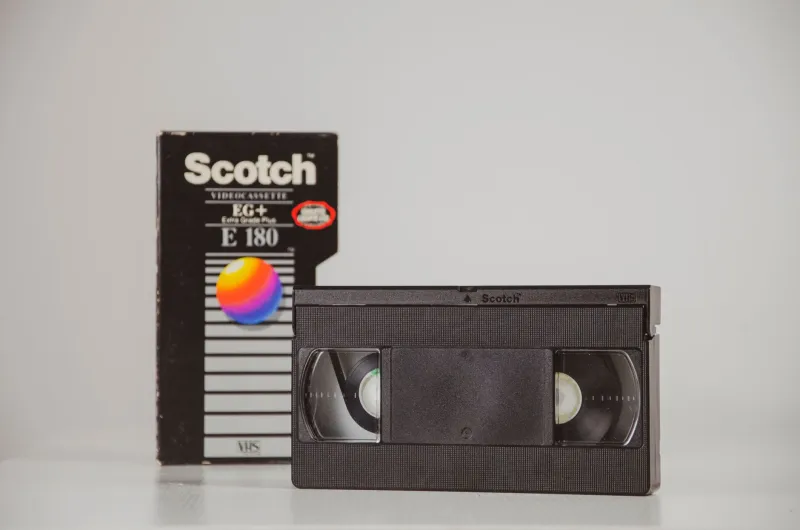
Pull up any emerging artist's Instagram right now and there's a decent chance their latest visual is shot on something that cost thirty bucks at a thrift store. The colors bleed at the edges. The focus drifts. There's a timestamp burned into the corner in that specific chunky font that only existed in consumer camcorders between 1989 and 2003. And it looks incredible — not despite the technical limitations, but because of them.
This isn't nostalgia in the sentimental sense. It's something more deliberate, more loaded. When a 22-year-old in Brooklyn shoots their EP promo on a JVC camcorder they found at a Goodwill, they're not pining for a decade they didn't live through. They're making an argument about what art should feel like — and what it's lost.
The Perfect Image Problem
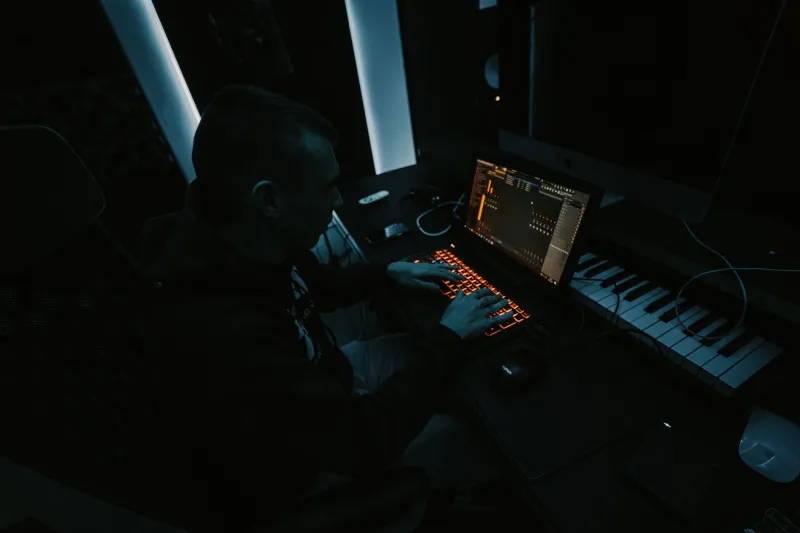
Digital technology gave us something unprecedented: the ability to capture and produce media with essentially zero degradation. A photo taken on a modern smartphone contains more visual information than a 35mm film still. A home recording made in a bedroom DAW can be mixed and mastered to sound indistinguishable from a major label release. Theoretically, this is incredible. In practice, it's created a strange anxiety.
When everything can be perfect, everything is expected to be. The ceiling for what's acceptable keeps rising. A slightly soft focus becomes a problem to fix. A little room noise in a vocal take becomes something to strip out. The tools keep getting better, and the art keeps getting more... frictionless. Smoother. Easier to consume and easier to forget.
What gets lost in the pursuit of fidelity is texture. The stuff that makes you feel like you're in contact with something made by human hands.
Tape as a Time Machine (But Not the Way You Think)
Cassette culture has been quietly resurgent for years now, but it's moved well beyond the hipster novelty phase. Labels like Burger Records (before their implosion) and dozens of smaller DIY operations built entire ecosystems around tape releases. Bandcamp is flooded with artists offering cassette editions of their work. And crucially, it's not just older artists riding nostalgia — it's younger musicians who have no personal memory of tapes as a primary format.
For these artists, the cassette isn't a memory. It's a tool with specific properties. Tape saturation — the way magnetic tape compresses and colors sound when pushed hard — adds harmonic warmth that digital formats simply don't replicate. The slight wow and flutter of a spinning reel creates micro-variations in pitch that make a recording feel alive in a way that's almost biological. These aren't flaws being tolerated. They're features being sought.
Producers working in hip-hop, bedroom pop, and experimental electronic music have been deliberately routing audio through tape machines and back out again just to capture that character. Artists like Clairo built entire aesthetic identities around the lo-fi bedroom recording sound before going more polished — and that rawness was a huge part of what made early listeners feel like they'd discovered something real and private.
The VHS Aesthetic as a Philosophical Stance
On the visual side, the camcorder revival is doing something even more interesting. VHS footage carries inherent limitations that force a different relationship between the image and the viewer. The low resolution means your eye can't rest on fine detail — you have to read the image more holistically, more emotionally. The color bleeding and chroma noise create a dreamlike quality that high-definition footage actively works against.
There's a reason so many music videos, short films, and visual art projects are leaning into this aesthetic right now. It's not just about looking retro. It's about creating a specific feeling of distance from the present — a temporal softness that makes the content feel like a memory even when you're watching it for the first time.
Directors and visual artists working in this space talk about it in almost therapeutic terms. The camcorder removes the pressure of perfection. When you know the format can't deliver a pristine image, you stop chasing one. You start making decisions based on feeling and movement and light rather than technical specs. The limitation becomes a kind of creative permission.
Anxiety, Authenticity, and the Digital Saturation Point
It's worth sitting with the deeper cultural current here, because this isn't happening in a vacuum. We are drowning in content. The average American encounters thousands of digital images, videos, and audio snippets every single day. Most of it is optimized. Most of it is designed to hold attention for exactly as long as it takes to complete a specific goal. Most of it evaporates.
The analog revival is, in part, a response to that saturation. When everything is high-definition and instantly accessible, scarcity and imperfection become genuinely countercultural. A cassette tape is a physical object that can be held, that degrades over time, that requires a specific piece of hardware to play. It exists in a way that a Spotify stream fundamentally doesn't. That materiality is meaningful to a generation that grew up with almost no material relationship to their media.
There's also something about the commitment embedded in analog formats. Tape doesn't have unlimited takes. Film has a finite number of exposures per roll. These constraints force presence — you can't just iterate infinitely and choose the best option from a thousand versions. You make something, and it exists, and it has the marks of the moment it was made on it.
Making Something That Lasts By Making Something Imperfect
The artists leading this movement aren't anti-technology. Most of them use digital tools extensively. What they're pushing back against is the idea that higher fidelity automatically equals better art — that the goal of creative tools should always be to get closer to some impossible standard of perfection.
The grain in the film photograph, the hiss under the guitar chord, the tracking lines in the VHS frame — these things tell you that time passed, that something happened, that a person was present. In an era of infinite digital reproduction, that evidence of process is precious.
The avant-garde has always understood that limitations are generative. The artists reaching for tape decks and camcorders in 2024 are working in that same tradition — using the boundaries of old tools to make something that feels, against all odds, more alive than anything rendered in perfect pixels.
Sometimes the most radical thing you can make is something that shows its scars.