Doing Nothing Is the New Flex: How Creators Are Making Boredom the Ultimate Luxury
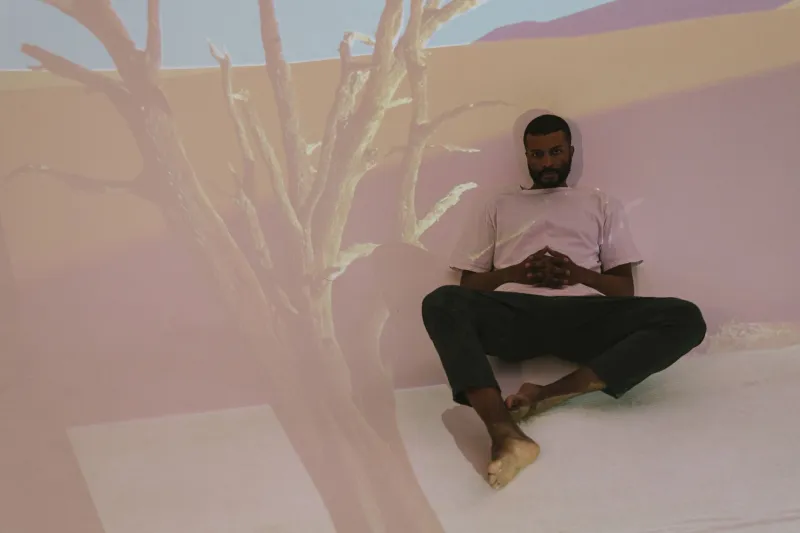
There's a YouTube video of a fireplace that has over 10 million views. No music. No commentary. No jump cuts. Just wood crackling for hours. And people are obsessed with it.
This isn't an accident. It isn't a glitch in the algorithm. It's a signal — a quiet, almost imperceptible one — that something is shifting in how Americans consume digital content. After a decade of being trained to crave faster, louder, and more visually chaotic media, a surprisingly large chunk of creators and their audiences are hitting the brakes. Hard.
Welcome to the age of the Attention Span Flex.
The Algorithm Gave Us Everything We Didn't Actually Want
Let's be real about what the past decade of platform optimization actually produced. We got content that was engineered — almost scientifically — to prevent you from looking away. Rapid edits. Dopamine-triggering thumbnails. Notification pings calibrated to the millisecond. TikTok's For You Page became a masterclass in psychological grip, and every other platform scrambled to replicate it.
And it worked. Until it didn't.
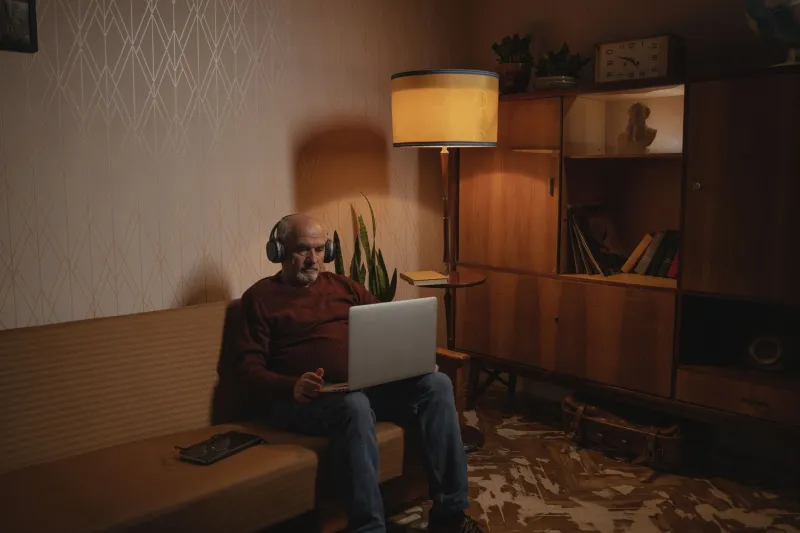
The cultural hangover from peak stimulation-maximizing content is real. Creators started noticing that their most engaged viewers were burning out. Audiences began reporting something that sounds almost clinical: an inability to sit still with anything that didn't immediately reward their attention. Scrolling felt compulsive rather than pleasurable. Watching a two-hour film felt like homework.
Somewhere in that collective exhaustion, a counter-movement was born — not loud, not branded, not particularly monetizable. Just slow. Just quiet. Just deliberately, almost aggressively boring.
The Artists Who Made Nothing Into Something
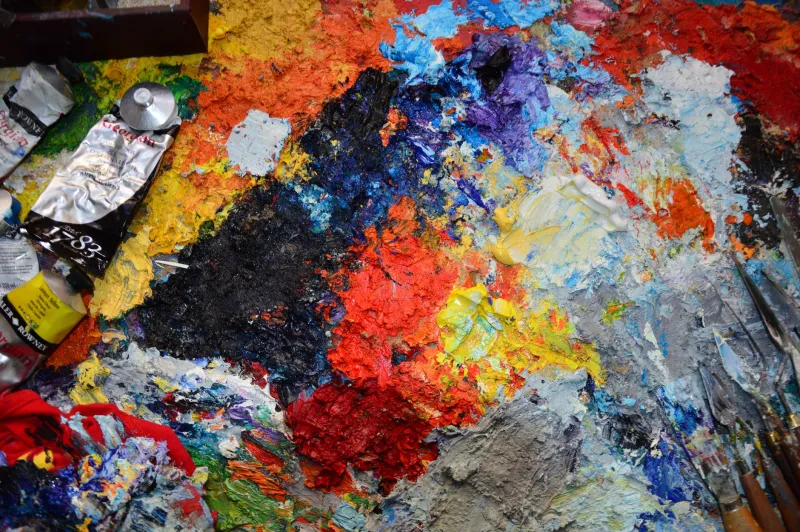
The digital art world got there first, as it usually does. Artists on platforms like Tumblr, Are.na, and even obscure corners of Instagram started posting single-color digital installations — a canvas of deep navy blue, held for thirty seconds. No text. No transformation. Just the color, sitting there, asking you to look at it.
The reaction was split, which is usually a good sign. Half the comments read like genuine hostility: "This is literally nothing." The other half were almost reverent: "I stared at this for ten minutes and I don't know why but I feel better."
That tension — between dismissal and devotion — is exactly where avant-garde work tends to live. These artists weren't being lazy. They were making a pointed argument about where value actually lives in a content ecosystem that has commodified every last frame of human experience.
Ambient music producers picked up the thread. The lo-fi hip-hop wave of the early 2020s was a precursor, but what's happening now goes further. We're talking about drone composers releasing 45-minute single-note meditations on Bandcamp. We're talking about sound artists creating pieces specifically designed to be uninteresting — to train your nervous system to tolerate the absence of reward.
Boredom as Intellectual Prestige
Here's where it gets culturally interesting. Because this isn't just a wellness trend. It's becoming a status marker.
In the same way that owning fewer things became a signifier of taste and wealth (the minimalist aesthetic that replaced maximalist McMansion culture), the ability to tolerate — and even seek out — understimulating content is being quietly coded as a form of intellectual superiority. The subtext is unmistakable: I am not owned by my dopamine receptors. I have trained myself out of the algorithm's grip. I choose boredom.
This shows up in how people talk about their media diets in certain US creative and tech circles. Saying you spent a Sunday watching a slow cinema film — something by Chantal Akerman or Andrei Tarkovsky — has the same energy as mentioning you did a digital detox retreat in Vermont. It signals discipline. It signals depth. It signals that your attention is yours.
And honestly? That's a flex in 2025 in a way it simply wasn't in 2015.
The Creators Cashing In on Calm (Or Deliberately Not)
Some creators are building entire audiences around this principle. YouTube channels dedicated to ambient study environments — rain on windows, coffee shop murmur, the occasional distant train — pull in millions of passive listeners. The paradox is beautiful: these are some of the most-watched videos on the platform, created specifically to be ignored.
But there's a more radical faction who refuses to let the trend become a product. Digital artists posting meditative work on decentralized platforms, explicitly priced to avoid going viral. Ambient musicians releasing music exclusively on physical media — cassettes and vinyl — to ensure it can only be consumed slowly, intentionally, without an algorithm recommending what comes next.
The message isn't subtle: if you have to work a little to access this, you'll value it differently.
What This Actually Does to Your Brain
Neuroscience backs up what these creators are intuiting. Chronic overstimulation doesn't just make you distracted — it literally reshapes the brain's reward circuitry, raising the threshold for what registers as interesting or pleasurable. The clinical term is "reward dysregulation," and it's the same mechanism behind addiction.
Deliberate understimulation — choosing content that doesn't immediately pay off — is, in a very real sense, a form of cognitive rehabilitation. It's not passive. It's not lazy. It's an active practice of recalibrating what your nervous system finds rewarding.
Creators who understand this are essentially functioning as therapists for the chronically overstimulated. Whether or not they'd use that language, the effect is the same.
The Quiet Rebellion Nobody's Talking About
What makes this cultural moment genuinely interesting — and genuinely avant-garde — is that it's a rebellion that looks like surrender. There are no manifestos. No hashtags. No viral moments announcing the movement's arrival. The whole point is that it resists the mechanics of virality.
You won't see "understimulation content" trending on X. You won't find a brand partnership for a 10-hour silence video. The algorithm doesn't know what to do with a piece of art that refuses to compete for your attention.
And that refusal is the statement.
In a digital landscape where every creator is essentially in an arms race for eyeball-time, choosing to make something that asks for patience — that rewards patience — is one of the most subversive things you can do. It's a middle finger to the entire attention economy, delivered in the quietest possible voice.
So yeah. Boring yourself back to focus isn't just a self-care hack. It's a political act. It's an aesthetic position. And increasingly, it's the thing that separates people who are using the internet from people the internet is using.
The fireplace is still burning. The question is whether you've got the nerve to just sit with it.